CARBIDE CUTTING TOOLS / KENDU
Standard tools.
Specific
solutions.
End mills. Drills. Thread mills.
And custom tooling built around your part.
Start with your material, drawing and machining conditions.
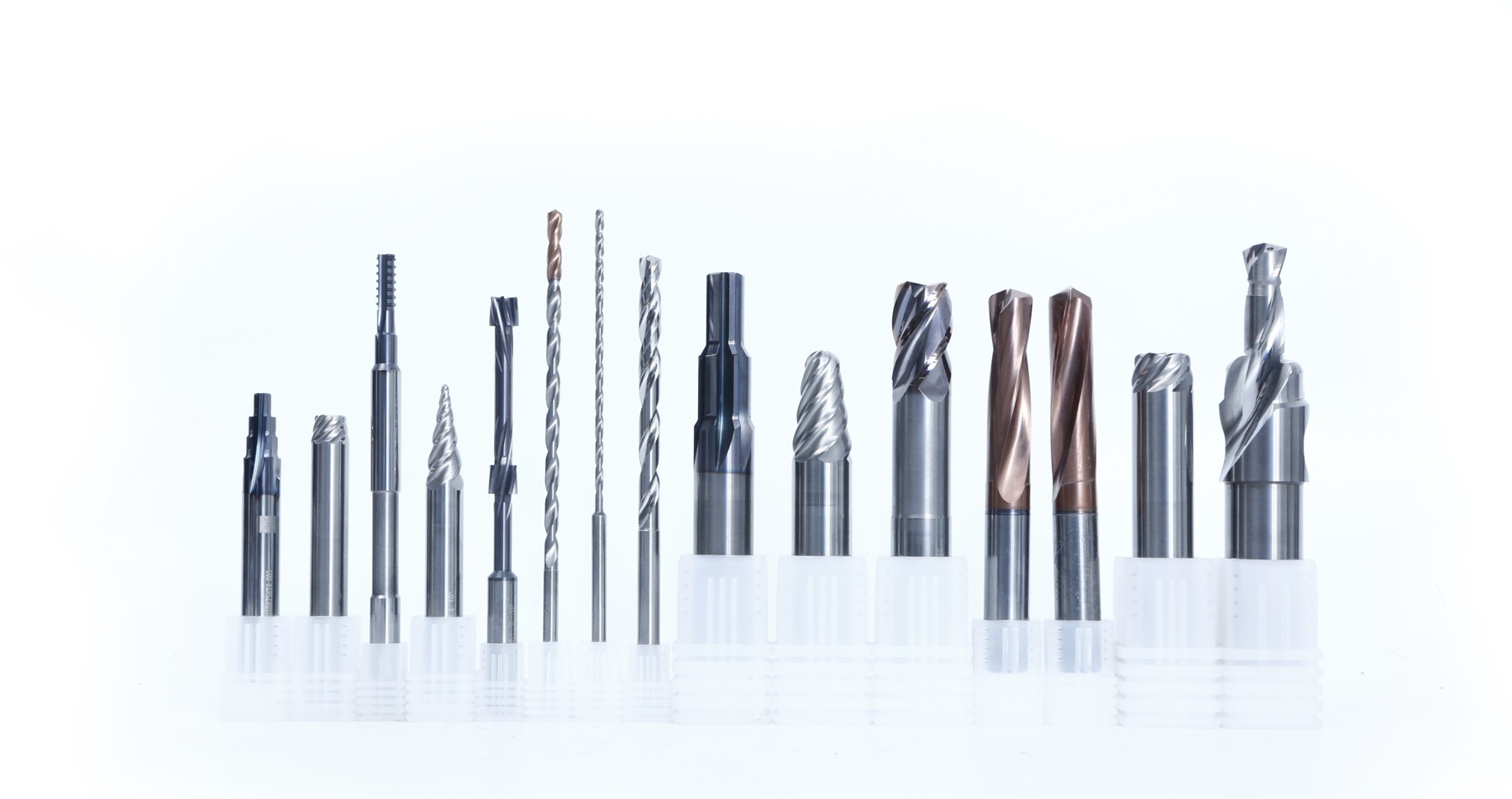
TO COMPONENT-SPECIFIC PROFILES
01 / EXPLORE THE RANGE
Four ways to
find your edge.
Start with the operation.
Then match the tool to the details.
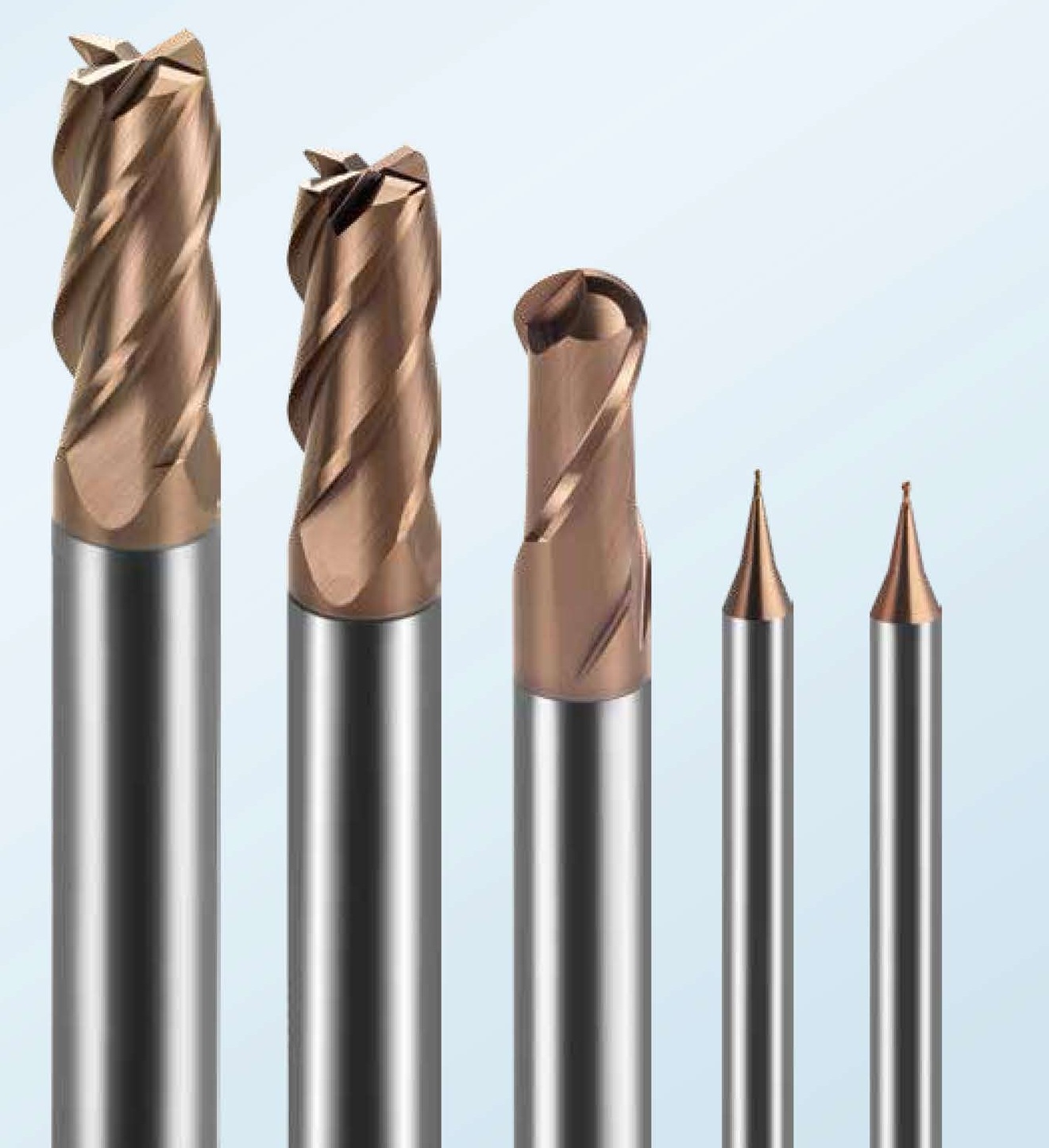
Solid carbide end mills
The right geometry for your material. Six dedicated series for general components, hardened molds, copper, aluminum and graphite.
Explore tooling
Solid carbide drills
RDT for general drilling. RDM for stainless steel and titanium alloys. Select the drill around your hole, material and coolant conditions.
Explore tooling
Internal thread mills
Metric, Unified and pipe-thread options. Match the thread form, pitch and usable depth to your internal-threading operation.
Explore toolingCustom & form tools
A specific feature calls for a specific solution. Start with your component drawing and machining conditions for a technical tooling review.
Explore tooling02 / MATERIAL FIRST
A better cut starts
with the right match.
Six end-mill series.
One material-led starting point.
| Series | Workpiece / application | Catalog guide | Tool options |
|---|---|---|---|
| GS | General steel & components | Below HRC 50 | Flat · ball nose · corner radius |
| GX | Pre-hardened mold steel | Up to HRC 52 | Standard · micro · long neck |
| RX | Hardened mold steel | HRC 52–62 | Precision details · deep cavities |
| UM | Steel or aluminum, by model | Steel series: up to HRC 48 | 4-flute steel · 3-flute aluminum |
| TX | Copper & aluminum | Material-specific selection | Electrodes · high-finish milling |
| NX | Graphite | CVD diamond coating | Standard · long neck |
Catalog guidance is a starting point. Confirm geometry, coating and cutting conditions for the selected model.
Find a suitable series ↗03 / BUILT AROUND THE WORK
Your component.
Our starting point.
Bring the feature, material and constraints.
We’ll review the tooling requirements.
Mold & die
From the first roughing pass to the smallest cavity detail.
02Hydraulics, pumps & valves
Review the whole hole: diameter, depth, steps and thread.
03Precision component machining
Standard tools where they fit. Custom geometry where it matters.
04Automotive components
Tooling around the component and the process.
04 / FROM REQUIREMENT TO REVIEW
Make the next
step a clear one.
Share the part
Tell us the material, operation and key dimensions. Send drawings by email after your inquiry.
Review the tooling
Discuss a standard series or a custom concept against your machine, workholding and coolant conditions.
Confirm the details
Review the proposed specifications, quantity and quotation before deciding on the next step.
A FEW PRACTICAL ANSWERS
Before the
first cut.
Can you help me choose a standard tool?
Yes. Share the material grade and hardness, operation, key dimensions and machine conditions. We can review the relevant series and specifications before a quotation.
Can you review a custom tool drawing?
Send the component drawing, material, workholding, machine data and quantity. The proposed geometry and commercial details depend on technical review.
Where can I find detailed specifications?
Ask for the specifications relevant to your application. Diameter, cutting length, neck length, shank and coating should be confirmed for the selected model.
How do I send a drawing?
Submit your requirements below, then send the drawing by email to wy112197@gmail.com. Include your company name so the files can be matched to your inquiry.
What are the MOQ and lead time?
Quantity, sample requirements and delivery timing are reviewed for the selected standard or custom tool. Request a quotation for current commercial details.
05 / TALK TO KENDU
Tell us what
you’re making.
A few useful details help us review the right tool for your job.
- Workpiece material & hardness
- Operation, dimensions & quantity
- Machine & coolant conditions
Have a drawing? Send it after your inquiry to
wy112197@gmail.com ↗